Basics · glossary
Fly-fishing glossary
Tackle, tying materials, insects, watercraft and fish handling in English and Chinese — the words the FFI casting definitions do not cover.
An English ⇄ Chinese glossary for the rest of fly fishing: the tackle, the tying bench, the insects, the water and the handling of the fish. The 96 FFI casting terms have their own collection — FFI casting definitions — and are not repeated here.
Terms are grouped by subject and alphabetical inside each group. Where Chinese anglers use the English word — CDC, WF, DT, PMD — the English is kept.
Fly fishing basics
| English | Chinese | What it means |
|---|---|---|
| backing | 底线 | Strong thin line under the fly line that fills the spool and handles long runs. |
| catch and release | 钓后放流 | Catching fish and returning them to the water rather than retaining them, using practices intended to minimise injury and stress. |
| dropper | 支线毛钩(dropper) | A second fly on a short branch of line above the point fly. |
| fish on | 中鱼 | The shout that a fish has taken the fly and is hooked. |
| fly | 毛钩 | The artificial lure tied on a hook to look like something the fish eats. |
| fly fishing | 飞钓 | Fishing with an artificial fly presented on a weighted fly line. |
| fly line | 飞钓主线(飞钓线) | The heavy line that the rod casts and that carries the almost weightless fly. |
| fly pattern | 毛钩样式 | A specific recipe for a fly, fixing its hook size, materials and proportions. |
| hook set | 扬竿刺鱼 | The lift of the rod or pull on the line that buries the hook point. |
| knot | 线结 | A way of joining lines or tying on a fly that holds under tension. |
| leader | 前导线 | The connection between fly line and fly, commonly tapered and ending in a fine tippet section. |
| leader butt | 前导线粗端 | The thick end of the leader where it joins the fly line. |
| presentation | 毛钩呈现 | How the fly lands on the water and behaves for the fish. |
| retrieve | 收线 | Pulling line back through the guides so the fly moves like food. |
| rise | 起水 | A fish coming to the surface to eat, usually leaving rings on the water. |
| rise form | 起水形态 | The shape a rise leaves on the surface, which shows what the fish is eating. |
| sight fishing | 目视作钓 | Fishing to a fish you can see, placing the fly near its head. |
| take | 咬口 | The moment a fish takes the fly, before the angler sets the hook. |
| tippet | 子线 | The terminal section of the leader to which the fly is attached, either integral or separately added. |
| tippet size | 子线号数 | A diameter designation commonly expressed using the X system, in which higher X numbers indicate finer tippet; heavier tippets may be given by diameter or breaking strength. |
| wading | 涉水 | Walking into the river to reach fish and get a better casting angle. |
| wind knot | 风结 | A tight little tangle in the leader, usually made by a poor cast. |
Rods, reels and lines
| English | Chinese | What it means |
|---|---|---|
| arbor | 线杯芯轴 | The core of the spool that the backing is wound around. |
| cork grip | 软木手柄 | The cork handle that the casting hand holds. |
| double-taper line | 双锥线(DT) | A line that tapers at both ends, so it lands softly and turns over at short range. |
| drag knob | 泄力旋钮 | The knob on the reel that adjusts how hard the drag holds. |
| ferrule | 竿节接口 | The joint where two sections of a fly rod fit together. |
| fighting butt | 战斗柄(fighting butt) | An extension below the reel seat that gives leverage against a big fish. |
| floating line | 浮水线 | A line that floats on the surface, used for dry flies and shallow nymphs. |
| fly reel | 飞钓卷线器 | The reel below the grip that stores line and gives it to a running fish. |
| fly rod | 飞钓竿 | The long flexible rod that casts the fly line, rated for a line weight. |
| guide | 导环 | A metal ring on the rod that the fly line runs through. |
| hook keeper | 挂饵环(hook keeper) | A small ring above the grip where the fly is parked between casts. |
| intermediate line | 半沉线 | A line that sinks slowly and fishes just below the surface film. |
| line dressing | 线保养剂 | A cleaner or lubricant put on the fly line so it shoots and floats better. |
| line weight | 线号数 | The number that pairs a line with a rod, set by the weight of the first 30 feet. |
| reel drag | 泄力 | The adjustable brake on the reel that sets how hard a fish pulls line. |
| reel seat | 轮座 | The fitting on the rod butt that holds the reel foot. |
| rod action | 调性 | How deep and where a rod bends when it is loaded. |
| rod weight | 竿号数 | The line weight a rod is built to cast, marked above the grip. |
| running line | 跑线 | The thin line behind the head that shoots out through the guides. |
| shooting head | 射头线(shooting head) | A short heavy front section joined to thin running line for extra distance. |
| sink rate | 下沉速率 | How fast a sinking line drops, usually given in inches per second. |
| sink tip | 沉水头线 | A line whose front section sinks while the rest of it floats. |
| sinking line | 沉水线 | A line that sinks, taking the fly down to fish holding deep. |
| snake guide | 蛇形导环 | A guide made of twisted wire that is light, cheap and hard to break. |
| spool | 线杯 | The removable drum on the reel that holds the line and backing. |
| stripping guide | 大导环(stripping guide) | The large first guide the line passes through as it leaves the reel. |
| weight-forward line | 重量前置线(WF) | A line with most of its weight in the front head, built for distance and wind. |
Accessories and wading
| English | Chinese | What it means |
|---|---|---|
| chest pack | 胸包 | A small pack worn high on the chest, with quick access to flies and tools. |
| desiccant | 干蝇干燥剂(desiccant) | A drying powder or bead jar that pulls moisture out of a soaked fly. |
| floatant | 浮水剂 | A gel, liquid or powder rubbed on a dry fly to keep it floating. |
| fly box | 毛钩盒 | A compartmented or foam-lined box that carries flies without crushing their hackle. |
| fly patch | 毛钩贴片(fly patch) | A fleece patch on the vest or pack where wet flies are hooked to dry. |
| forceps | 止血钳 | Long-nosed clamps for removing hooks, crimping barbs and holding small materials. |
| gravel guards | 防沙套 | Neoprene cuffs that seal the top of wading boots against sand and gravel. |
| hook sharpener | 磨钩器 | A pocket file or stone that restores a rolled or blunted hook point. |
| landing net | 抄网 | A net with a soft bag used to scoop up a played fish. |
| lanyard | 工具挂绳(lanyard) | A cord worn around the neck that keeps nippers, forceps and floatant within reach. |
| net release | 抄网释放扣(net release) | A magnetic or clip attachment that holds the net on your back and releases with one pull. |
| nippers | 剪线钳 | Small clippers that trim tippet and thread, usually hung on a lanyard. |
| polarised sunglasses | 偏光镜 | Tinted lenses that cut surface glare so you can see fish and read the water. |
| sling pack | 斜挎包 | A single-strap pack that swings from the back to the chest for access. |
| strike indicator | 指示器(strike indicator) | A buoyant float, yarn tuft or foam ball that dips when a fish takes the nymph. |
| vest | 飞钓马甲 | A sleeveless vest with many pockets for fly boxes and tools. |
| waders | 涉水裤 | Waterproof trousers, usually chest-high, that let you stand in the river. |
| wading belt | 涉水腰带 | A belt worn snugly around the outside of waders to help restrict water entry if the wearer falls in. |
| wading boots | 涉水鞋 | Grippy boots worn over the stocking feet of waders, often with studs. |
| wading jacket | 涉水夹克 | A short waterproof jacket cut for wading, with big pockets and a D-ring. |
| wading staff | 涉水杖 | A collapsible pole that gives a third point of contact in fast water. |
| water thermometer | 水温计 | A small thermometer for reading water temperature, a key driver of insect activity and where trout sit. |
| zinger | 伸缩扣(zinger) | A spring-loaded retractor that keeps tools attached to the vest and always handy. |
Fly tying materials and tools
| English | Chinese | What it means |
|---|---|---|
| bead head | 珠头(配重珠) | A bead positioned on the hook shank immediately behind the eye, often used to add weight, flash or colour. |
| bobbin | 绕线器 | A thread spool holder with a tension arm that feeds tying thread under control. |
| bodkin | 点胶针 | A needle in a handle for applying cement and clearing glue from hook eyes. |
| bucktail | 鹿尾毛 | Straight, durable deer tail hair used for streamer wings and baitfish profiles. |
| cape | 颈羽(cape) | The neck skin of a rooster, sold whole, carrying the stiffest dry-fly feathers. |
| CDC | CDC(鸭臀羽) | Fine feathers from around a duck’s preen gland, valued for their air-trapping structure, buoyancy and movement. |
| chenille | 雪尼尔 | A fuzzy cord of trapped fibres that wraps quickly into fat, mobile bodies. |
| cone head | 锥形头 | A cone-shaped metal head fitted to a streamer to add weight and push water. |
| deer hair | 鹿毛 | Hollow, buoyant hair that spins around the shank and trims into floating heads and bodies. |
| dry-fly hackle | 干蝇蓑羽(dry fly hackle) | Stiff, densely barbed feathers that make a dry fly sit high and stay visible. |
| dubbing | 绑蝇绒料(dubbing) | Fur or synthetic fibres spun onto the tying thread and wound to build a tapered body. |
| elk hair | 马鹿毛(elk hair) | Stiff, hollow hair from North American elk, with natural tips, stacked for caddis wings and buoyant bodies. |
| fly hook | 飞钓钩 | The hook a fly is built on, sold in numbered sizes, shank lengths and wire gauges. |
| fly tying | 毛钩绑制 | Building an artificial fly by binding fur, feather and thread onto a hook. |
| foam | 泡沫 | Closed-cell foam cut into bodies and wings that floats and does not become waterlogged. |
| grizzly | 花斑色(grizzly) | A rooster feather barred black and white, used for tails, collars and wings. |
| hackle | 蓑羽 | A feather wound around the hook to add movement, segmentation and buoyancy, especially to dry flies. |
| hackle pliers | 蓑羽钳(hackle pliers) | Small spring-loaded pliers that grip a hackle tip while you wind it. |
| hair stacker | 理毛器 | A tube and plunger that aligns hair tips before they are tied as a wing. |
| head cement | 头胶 | A lacquer brushed onto the thread head to lock it and give a gloss. |
| hook barb | 倒刺 | The small backward point below the tip that stops a hooked fish slipping off. |
| hook eye | 钩眼 | The ring at the top of the shank where the tippet or tying thread starts. |
| hook gape | 钩门 | The distance from the hook point to the shank, which sets how securely a fish is held. |
| lead-free wire | 无铅配重丝(lead-free wire) | Soft non-lead wire wound on the shank to add weight without using lead. |
| marabou | 马拉布羽(marabou) | Soft, fluffy feathers that pulse and breathe in the water when tied as tails. |
| partridge | 山鹑羽(partridge) | Soft, barred feathers from the partridge, used for legs, collars and wet flies. |
| peacock herl | 孔雀羽枝 | Iridescent peacock fibres wrapped for thoraxes, bodies and wing cases. |
| pheasant tail | 雉鸡尾羽 | Barred pheasant tail fibres used for slim nymph tails, bodies and wing cases. |
| poly yarn | 聚丙烯浮水纱(poly yarn) | A buoyant polypropylene yarn used for parachute posts, wings and simple bodies. |
| rubber legs | 橡胶腿 | Elastic strands tied in pairs as legs that wiggle and make a fly look alive. |
| saddle | 鞍羽(saddle) | The long feathers from a rooster’s back and saddle, used for streamers and palmered bodies, and — when suitably stiff — for dry flies. |
| squirrel tail | 松鼠尾毛 | Barred, lively squirrel tail hair used for nymph tails, legs and small streamers. |
| tinsel | 亮丝(tinsel) | A flat or oval metallic ribbon wound over the body to add flash and ribbing. |
| tungsten bead | 钨珠 | A dense metal bead that sinks a nymph fast while keeping the body slim. |
| tying thread | 绑线 | The thread that binds materials to the hook, chosen by denier or X/0 size. |
| tying vice | 台钳 | A clamp that holds the hook steady while both hands work the thread and materials. |
| whip finish | 收尾结 | A knot of several thread wraps that locks the fly so it cannot unravel. |
| whip finisher | 收尾结器 | A metal tool that lays the wraps of a whip finish without tying by hand. |
| wire | 金属丝 | Thin metal wire used for ribbing, weighting and holding materials down. |
Fly types and patterns
| English | Chinese | What it means |
|---|---|---|
| ant pattern | 蚂蚁毛钩 | A small floating fly with two bulbous segments that imitates a drowned ant. |
| attractor pattern | 吸引式毛钩 | A bright, buggy fly built to trigger a strike rather than copy any one insect. |
| bass bug | 浮水鲈鱼毛钩(bass bug) | A bulky floating fly for bass, usually built from deer hair or foam. |
| beetle pattern | 甲虫毛钩 | A compact floating fly with a hard shell profile that imitates a beetle. |
| comparadun | Comparadun 扇翅鹿毛干蝇 | A hackleless mayfly dry fly with an upright, fan-shaped deer-hair wing, designed to ride low in the surface film. |
| cripple | 残翅型毛钩 | A fly imitating an insect trapped in its shuck that will never complete the hatch. |
| dry fly | 干蝇 | A fly that floats on the surface and imitates an adult insect. |
| egg fly | 鱼卵毛钩 | A small round fly that imitates loose salmon or trout eggs drifting downstream. |
| Elk Hair Caddis | 鹿毛石蛾 | A dry caddis with a stacked elk-hair wing that floats well in fast water. |
| emerger | 羽化型毛钩 | A fly imitating an aquatic insect during its transition towards or into the winged stage, often fished in or near the surface film. |
| hopper | 蝗虫毛钩 | A large floating fly that imitates a grasshopper blown onto the water. |
| midge fly | 摇蚊毛钩 | A tiny fly, usually size 18 to 24, imitating a midge larva, pupa or adult. |
| mouse fly | 鼠型毛钩 | A bulky surface fly that imitates a swimming mouse and draws big predatory trout. |
| nymph fly | 若虫毛钩 | A fly that imitates an insect still living underwater before it hatches. |
| parachute | 降落伞毛钩 | A dry fly whose hackle is wound flat around a vertical post, so it floats low. |
| popper | 波扒毛钩 | A floating fly with a flat or cupped face that pushes water and pops when stripped. |
| saltwater fly | 海水毛钩 | A fly tied on a strong saltwater hook to imitate baitfish, crabs and shrimp. |
| soft hackle | 软蓑羽毛钩 | A sparse wet fly with soft, webby hackle that pulses when swung in the current. |
| spent spinner | 落水蜉蝣(spent spinner) | A fly imitating a mayfly that has laid its eggs and lies spent with its wings spread flat in the surface film. |
| streamer | 饰带毛钩(streamer) | A long, often weighted fly that imitates baitfish, leeches or other large prey. |
| terrestrial | 陆生昆虫毛钩 | A floating fly that copies a land insect such as a grasshopper, ant or beetle. |
| wet fly | 湿蝇 | A sinking fly fished below the surface, often imitating drowned insects or baitfish. |
| Woolly Bugger | 羊毛虫 | A marabou-tailed streamer that looks like a leech, crayfish or small fish. |
Insects and trout food
| English | Chinese | What it means |
|---|---|---|
| adult | 成虫 | The winged final stage of an insect, the one dry flies are meant to imitate. |
| alderfly | 泥蛉 | A dark winged insect that falls on the water in spring and suits a dry fly. |
| baitfish | 饵鱼 | Any small fish that big trout hunt, and the model for most streamers. |
| bloodworm | 红虫 | The red midge larva, rich in haemoglobin, that keeps winter trout feeding. |
| blue-winged olive | 橄榄色蜉蝣(BWO) | A small olive-bodied mayfly with slate wings whose hatches suit overcast days. |
| caddis | 石蛾 | A moth-like aquatic insect whose larvae build cases or nets and whose adults skitter. |
| caddis case | 巢筒 | The portable tube a caddis larva builds from sand, gravel or plant fragments. |
| crayfish | 小龙虾 | A clawed bottom dweller that trout eat, especially during the spring moult. |
| damselfly | 豆娘 | A slender, slow-flying relative of the dragonfly that trout take when it falls in. |
| dragonfly | 蜻蜓 | A large four-winged predator whose nymphs and adults are occasional trout food. |
| dun | 亚成虫(dun) | The newly hatched mayfly subimago, dull-winged and floating on the surface before moulting. |
| emergence | 羽化(出水羽化过程) | The transition from an aquatic immature stage to a winged stage, occurring at the surface, underwater or out of the water depending on the insect. |
| gill | 鳃 | A respiratory structure used to obtain dissolved oxygen from water; its shape and position vary among aquatic insects. |
| green drake | 绿色大蜉蝣(green drake) | A big green mayfly that hatches briefly and is worth planning a trip around. |
| hatch | 羽化活动(hatch) | In angling, an emergence of aquatic insects, often discussed by insect group, timing and abundance. |
| hatch chart | 羽化表(hatch chart) | A chart of when aquatic insects emerge through the season, used to plan trips and pick flies. |
| hex | 巨型蜉蝣(hex) | A giant mayfly that hatches after dark in summer on big slow rivers. |
| larva | 幼虫 | The worm-like first stage of complete-metamorphosis insects such as caddis and midges. |
| leech | 水蛭 | A worm-like segmented creature that trout eat all year and streamers imitate. |
| mayfly | 蜉蝣 | A soft-bodied aquatic insect that hatches at the surface and is classic trout food. |
| midge (the insect) | 摇蚊 | A tiny two-winged fly that hatches all year and keeps trout feeding in winter. |
| nymph (insect stage) | 若虫 | The underwater growing stage of mayflies, stoneflies and damselflies before they hatch. |
| pale morning dun | 清晨浅色蜉蝣(PMD) | A pale yellow-green mayfly that hatches mid-morning and brings trout up steadily. |
| pupa | 蛹 | The stage between larva and adult in insects with complete metamorphosis; some aquatic pupae become active swimmers before emergence. |
| salmonfly | 巨型石蝇(salmonfly) | A very large stonefly whose spring hatch pulls big trout to the surface. |
| scud | 钩虾 | A small shrimp-like crustacean that lives in weeds and is key in spring creeks. |
| sedge | 石蛾(英式称呼) | The British anglers’ word for a caddis, used in pattern names. |
| shuck | 虫壳 | The empty nymphal or pupal skin left floating after the insect escapes. |
| sowbug | 水虱(sowbug) | A flat, pale aquatic crustacean that crawls on the bottom much slower than a scud. |
| spinner | 蜉蝣成虫(imago) | The mature adult mayfly, which returns to the water to lay eggs and then dies. |
| spinner fall | 产卵成虫坠水(spinner fall) | The evening return of spent mayflies to the water, often a good dry-fly window. |
| stonefly | 石蝇 | A large four-winged aquatic insect whose nymphs crawl on rocky riffle bottoms. |
| sulphur | 淡黄蜉蝣(sulphur) | A small pale yellow mayfly that hatches in the evening through summer. |
| trico | 三尾小蜉蝣(trico) | A tiny three-tailed mayfly whose morning spinner falls demand very small flies. |
Reading the water
| English | Chinese | What it means |
|---|---|---|
| backwater | 回水湾 | A wide, almost still side area off the main flow where the current barely turns. |
| chute | 急流槽(chute) | A narrow, fast slot of water squeezed between rocks or a bank. |
| confluence | 汇流处 | The point where two rivers or branches meet and mix their flows. |
| cover | 藏身处 | Whatever hides a fish from predators or from you, such as shade, depth or broken surface. |
| drop-off | 水深突变(drop-off) | A sudden increase in depth where the bed drops away and the current slows. |
| eddy | 回水涡流 | Water that circles back on itself behind a rock or bank, often in the opposite direction. |
| feeding lane | 觅食通道 | The narrow current line where food drifts down to a fish and it feeds. |
| flat water | 平水 | Long, even water with little visible current, where trout are easiest to frighten. |
| foam line | 泡沫线 | The line of bubbles and foam on the surface that marks a seam where drifting food may collect. |
| funnel | 束水口(funnel) | The gap where the current is squeezed between two rocks and speeds up, carrying food. |
| glide | 平滑缓流(glide) | Smooth, unbroken surface water where the current slides along without breaking into waves. |
| holding lie | 藏鱼标点 | A spot where a fish holds between meals, out of the fastest current but close to it. |
| lie | 标点 | The exact spot where a fish holds and takes food. |
| log jam | 倒木堆 | A tangle of fallen trunks and branches that slows the current and makes deep pockets. |
| plunge pool | 跌水潭(plunge pool) | The deep hole below a falls or a steep drop, where falling water digs out the bed. |
| pocket water | 乱石间袋状水域(pocket water) | Broken, turbulent water around rocks and boulders, containing small pockets of slower water that may provide fish-holding lies. |
| pool | 深潭 | A deep, slow section of river where the current loses speed and fish can rest. |
| prime lie | 黄金标点 | A spot where food, cover and slow current all meet, making it a likely holding lie. |
| reading water | 读水 | Working out from the surface where fish will hold and how the current will move your fly. |
| riffle | 浅滩 | Shallow, broken water running over gravel, where the surface is choppy and well oxygenated. |
| run | 深水主槽 | A long, deep, smooth stretch of faster current between a riffle and a pool. |
| seam | 交界线 | The boundary where fast water meets slow water, often where drifting food may concentrate. |
| slick | 镜面区(slick) | A smooth, glassy strip of surface where the current is calmed by depth or a bed shelf. |
| structure | 水下结构 | Anything solid in the water that changes the current, such as boulders, logs and piers. |
| tailout | 尾水(tailout) | The shallow, quickening lower end of a pool, potentially productive dry-fly water. |
| undercut bank | 掏空河岸 | A bank hollowed out by the current, giving fish an overhead shelf to hide under. |
Fish, handling and release
| English | Chinese | What it means |
|---|---|---|
| barbless hook | 无倒刺钩 | A hook whose barb has been flattened or made without one, so it comes out easily. |
| bonefish | 北梭鱼 | A silver flats fish of the genus Albula, feeding in shallow tropical water and running hard when hooked. |
| brook trout | 美洲红点鲑 | A small, brightly marked char of cold northern streams, with pale spots on a dark back. |
| brown trout | 褐鳟 | A wary, golden-brown trout with dark spots, the hardest of the common trout to fool. |
| carp | 鲤鱼 | A big, tough-mouthed freshwater fish that grubs the bottom and takes a fly readily. |
| cutthroat trout | 切喉鳟 | A western trout named for the red slash under its jaw, quick to rise to a dry fly. |
| fish handling | 渔获持握与护理 | Landing, unhooking and holding a fish so it is returned in the best condition possible. |
| grayling | 茴鱼 | A cold-water fish with a tall, sail-like dorsal fin and a strong smell of thyme. |
| largemouth bass | 大口黑鲈 | A big-mouthed warm-water bass that ambushes prey around weed beds and wood. |
| leader-shy | 怕前导线 | A fish that refuses a fly because it sees the leader before the fly. |
| permit | Permit | A flat, silver, hard-mouthed fish of tropical flats that tails in inches of water. |
| playing a fish | 遛鱼 | Fighting a hooked fish with the rod bent, giving line when it runs. |
| pressured water | 高垂钓压力水域 | Water that is fished hard, where fish have learned to refuse most flies. |
| rainbow trout | 虹鳟 | A trout with a pink stripe along its flank that jumps hard and rises freely to a dry fly. |
| release | 放流 | Returning a caught fish to the water. |
| salmon | 鲑鱼 | A common name for several salmonid fishes, many of which migrate between freshwater and the sea; spawning survival and migration vary by species and population. |
| selective trout | 挑食的鳟鱼 | A trout feeding on one insect stage and ignoring everything else. |
| smallmouth bass | 小口黑鲈 | A slimmer, bronze bass that prefers rock and gravel and fights harder than its size suggests. |
| spooky fish | 易惊的鱼 | A fish that bolts at the least shadow, ripple or bad cast. |
| steelhead | 钢头鳟 | A rainbow trout that runs to the sea and returns to spawn, grown large and silver. |
| tarpon | 大海鲢 | A huge silver fish of the tropics that gulps air, jumps and wears out an angler. |
| trout | 鳟鱼 | Any fish of the salmon family with a spotted body, small scales and a liking for cold water. |
| wild fish | 野生鱼 | A fish hatched and raised in the river, usually stronger and warier than a stocked one. |
Angling technique
| English | Chinese | What it means |
|---|---|---|
| dead drift | 自然漂流 | A presentation in which the fly travels at exactly the speed of the surrounding current. |
| downstream presentation | 下游呈现 | Presenting the fly downstream of the angler; line control determines whether the fly dead-drifts, swings or moves actively. |
| drag-free drift | 无拖拽漂流 | A drift in which neither line nor leader pulls the fly off the current’s path. |
| dry-dropper | 干蝇带若虫 | Fishing a nymph tied off the bend of a dry fly, so the dry also shows takes. |
| Euro nymphing | 欧式若虫钓法 | A tight-line nymphing style using a long rod, heavy flies and no float. |
| feeding position | 觅食位 | The spot in the current where a trout holds to intercept food drifting toward it. |
| figure-eight retrieve | 八字收线 | A retrieve where the line hand draws a figure eight, keeping the fly moving without twisting the line. |
| high-sticking | 高竿钓法 | Holding the rod high to keep much of the line off the water, reducing unwanted current influence and improving control of the drift. |
| indicator nymphing | 浮标若虫钓法 | Nymphing below a float or yarn indicator that holds the flies at depth and shows takes. |
| landing a fish | 抄鱼 | Guiding a played fish head-first into the net while the rod stays bent. |
| match the hatch | 匹配当下摄食对象(match the hatch) | Choosing a fly that matches what the fish are actually eating — size, shape, colour and behaviour included. |
| nymphing | 若虫钓法 | Fishing underwater with nymph patterns, usually keeping the flies near the bottom in the current. |
| pile cast | 堆积抛投 | A presentation cast that piles the leader and line on the water so the fly drifts longer without drag. |
| reach cast | 延伸抛投 | A cast that lands the line upstream or downstream of the fly by reaching the rod out. |
| skating a dry fly | 干蝇滑行(skating) | Dragging a dry fly across the surface with the rod tip so it skates and throws spray. |
| streamer swing | 饰带毛钩摆荡 | Swinging a streamer across the current, usually adding strips and pauses as it comes round. |
| strike detection | 鱼讯判断 | Sensing a fish take through the line, the sighter or the rod tip before setting the hook. |
| stripping | 抽线 | Retrieving the fly by pulling line in short pulls with the line hand. |
| tuck cast | 塞入式抛投 | A presentation cast that turns weighted flies downward so they enter the water before the fly line, helping them sink quickly. |
| upstream presentation | 上游呈现 | Presenting the fly up-current so the line lands above you and the fly drifts back down. |
| wet-fly swing | 湿蝇摆荡 | Swinging a team of wet flies across the current until the line straightens below you. |
| working upstream | 逆流而上作钓 | Moving up the river between casts so each fish is approached from behind. |
Knots and connections
| English | Chinese | What it means | Diagram |
|---|---|---|---|
| Albright knot | 奥尔布赖特结 | A knot used to join lines of substantially different diameters or constructions, commonly backing to fly line. | 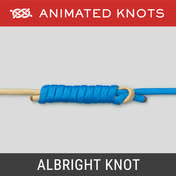 |
| arbor knot | 轴结 | The knot that anchors the backing to the reel arbor. | 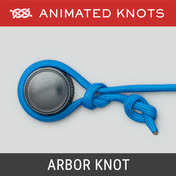 |
| blood knot | 血结 | A slim, symmetrical knot joining two lengths of line of similar diameter. | 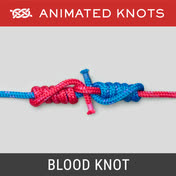 |
| clinch knot | 克林奇结 | The basic knot for tying a fly to the tippet, made with five to seven turns. | |
| Davy knot | 戴维结 | A fast fly knot with few turns that holds well even in fine tippet. |  |
| double surgeon’s knot | 双外科结(double surgeon’s knot) | A quick knot joining lines of moderately different diameters by passing the doubled pair through twice. |  |
| dropper loop | 支线环 | A loop tied in the middle of a leader so a second fly can hang from it. | 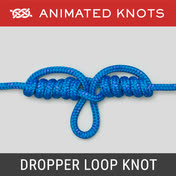 |
| improved clinch knot | 改良克林奇结 | A clinch knot with the tag end passed back through the large loop, stronger than the plain version. | 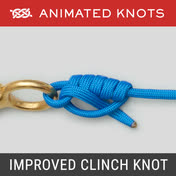 |
| loop-to-loop connection | 线环对线环 | Two factory loops threaded through each other, the quickest way to change a leader. | |
| nail knot | 钉结 | The traditional knot joining fly line to leader or backing, wrapped around the thicker line. | 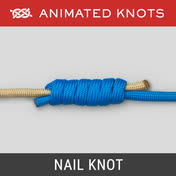 |
| needle knot | 针结 | A very slim leader-to-fly-line knot tied by threading the leader up inside the line’s core. | |
| non-slip mono loop | 防滑单线环结 | A loop knot at the fly that will not slip under load, used for streamers and nymphs. | 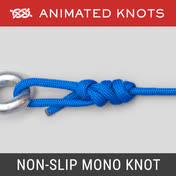 |
| perfection loop | 完美线环结 | A knot forming a fixed loop at the end of a line, commonly used at the leader butt for a loop-to-loop connection. | 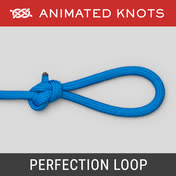 |
| tippet ring | 子线环 | A small metal ring between leader and tippet that saves retying the whole leader. | |
| uni knot | 尤尼结 | An all-round knot that can join two lines or tie on a fly, tightened down to the eye. | 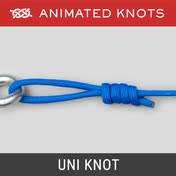 |
Knot diagrams: Animated Knots by Grog. Each one links to its step-by-step animation.